
High-Performance Computing
Research investigates accelerated computing, parallel execution, distributed memory, high-throughput processing, performance engineering, and compute-aware systems architecture.
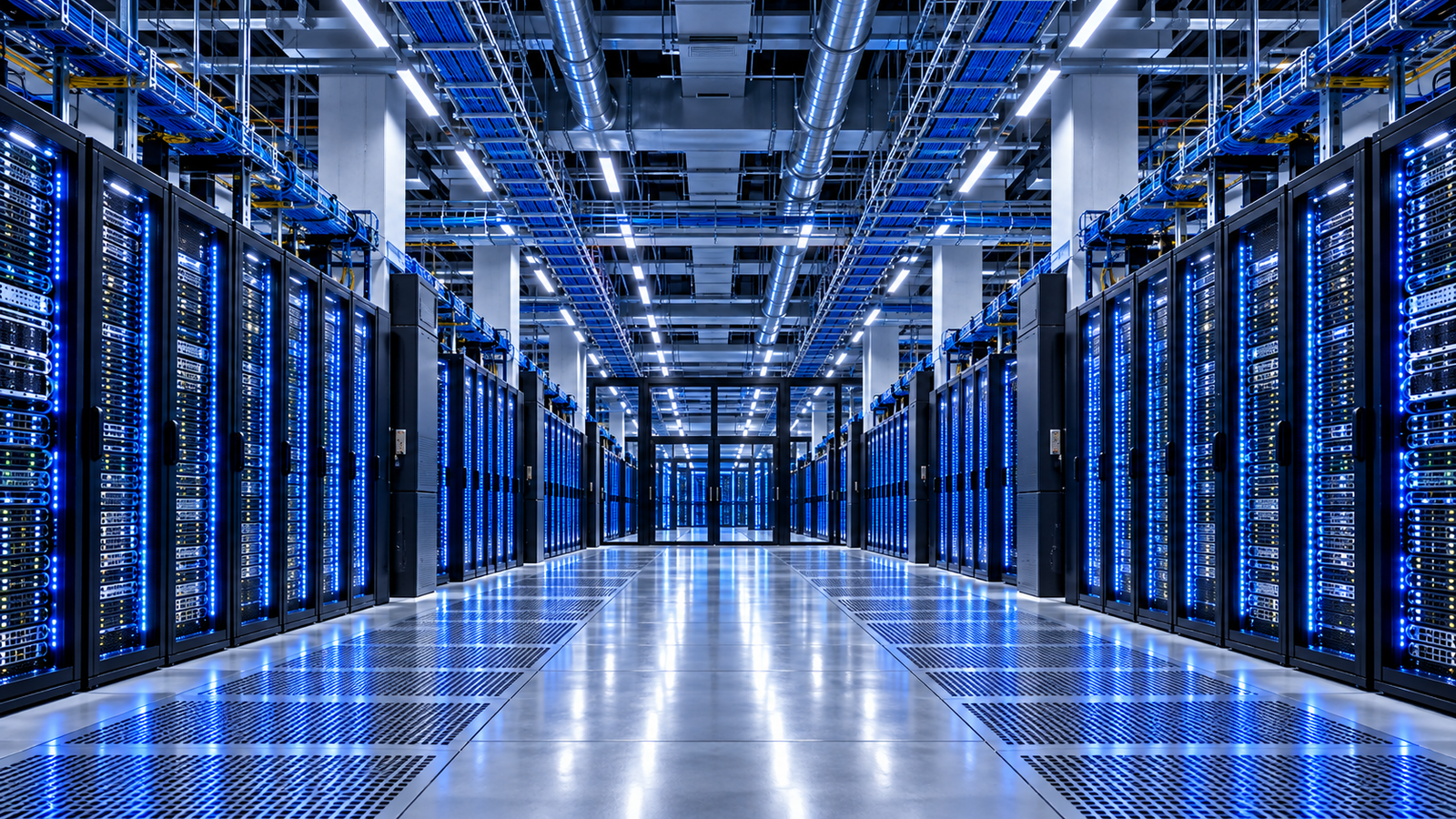
Research themes
These themes describe the technical territory at a public-safe level. Proprietary implementation details, internal system identities, security-sensitive architecture, and unpublished engineering artifacts are intentionally omitted.
Accelerated computing
Research into accelerator-oriented workloads, resource utilization, throughput, and execution efficiency.
Parallel processing
Research into concurrency, work partitioning, synchronization, and scalable computational methods.
Data movement
Research into memory hierarchy, storage, network transport, replay, and movement of high-volume data.
Performance engineering
Measurement, profiling, bottleneck analysis, reproducibility, and system-level optimization.
Distributed compute
Research into coordinated computation across multiple nodes and resilient execution boundaries.
Infrastructure awareness
Systems designed with power, cooling, networking, storage, and observability constraints in mind.
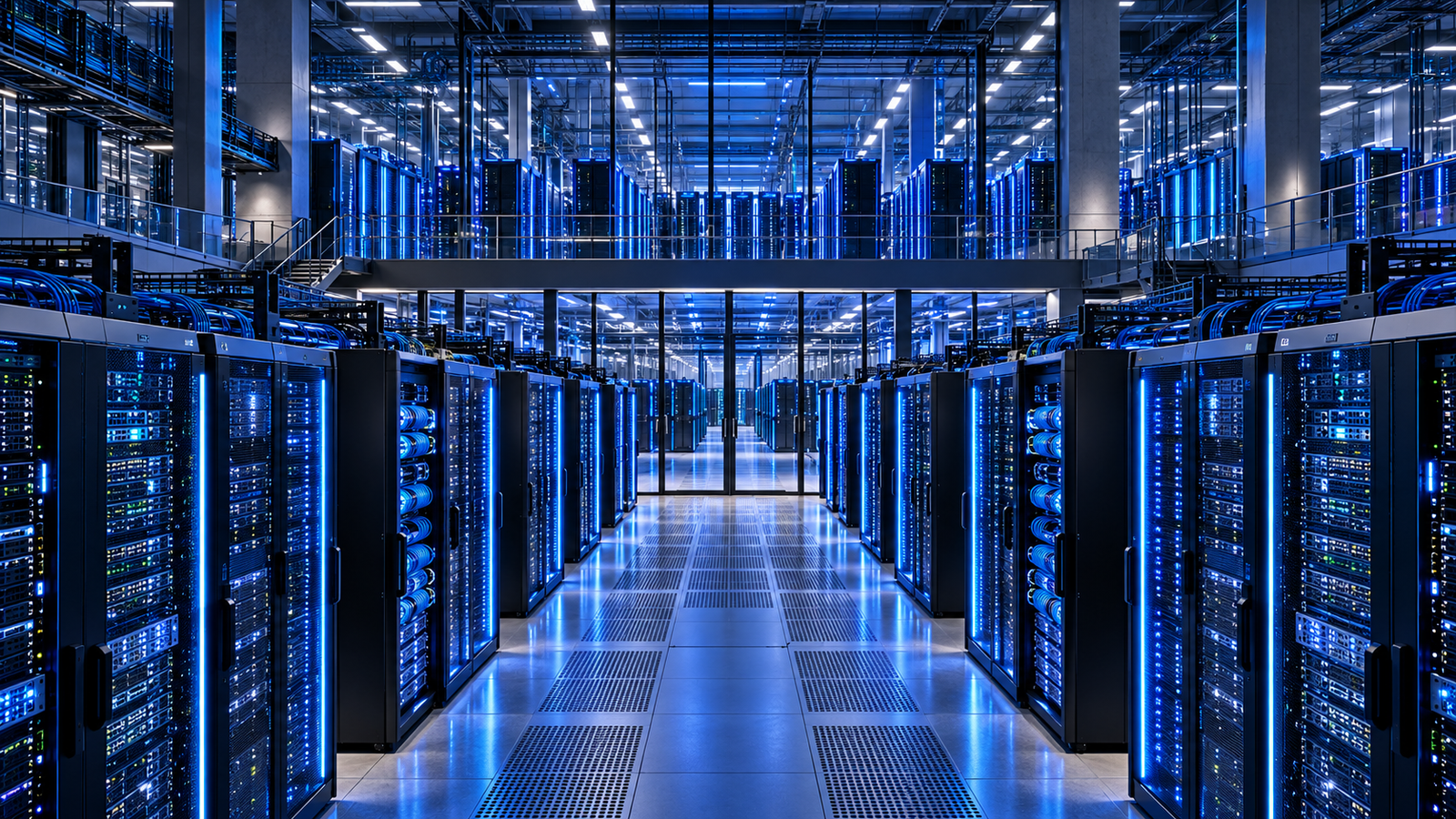
Research that considers the full computing environment
Software behavior, data movement, networking, storage, observability, isolation, and physical compute constraints are treated as interconnected engineering concerns. Public descriptions remain high-level while the underlying research can evolve substantially over time.
Technical depth without unsupported claims
The company communicates the nature of its R&D while avoiding claims of public deployment, customer availability, certifications, benchmarks, or commercial readiness that have not been established.
A direct line for serious conversations.
For legitimate corporate, technical, or research correspondence regarding the corporation's public-facing activities.